Why did you take the nutrition class and did it meet your expectations?
“I just needed to learn “how to eat”! It went beyond my expectations!! Wonderful!
Helping You to Better Health Naturally
by towers
Why did you take the nutrition class and did it meet your expectations?
“I just needed to learn “how to eat”! It went beyond my expectations!! Wonderful!
by towers
Every few weeks I make a batch of cultured veggies using a different mix of organic vegetables. The base is either finely shredded cabbage (green or Chinese) or zucchini. To this I’ll add a mix of fresh, organic veggies available in the stores. Once the garden starts producing there will be more fresh stuff to choose from. For the last batch I had scallions from the garden. For spice I added red pepper flakes. The cuke and daikon radish were cut lengthwise and then into 1/4 inch slices in hopes they would retain crispness once the cabbage was fully fermented– I try to avoid letting the veggies ferment to the point of being uniformly soggy. I tasted it every day and after 1 week the result was a nice variety of texture and flavor. Give it a try!
1 head of green cabbage, shredded by hand or food processer
1 large daikon radish, cut lengthwise and then into 1/4 inch slices
1 cucumber cut like the radish
1/2 sweet red pepper, finely chopped
3 scallions, chopped
3-5 cloves of garlic, crushed
1 to 1 1/2 Tbsp. sea salt
1/2 to 1 tsp red pepper flakes
Mix all ingredients very well in a large bowl. Let sit for 15 minutes to allow the salt to work and release the juices. Pack into a 1/2 gallon mason jar. There should be at least 3 inches of space at the top of the jar so the juices don’t overflow as the fermentation progresses. Using a large spoon press the vegetables down into their juice. You may need to continue to press to release more juice. Now add a weight to keep the vegetables submerged. For the weight I use another smaller glass jar. Inside this glass jar and on top of the mixture, place another smaller glass jar that fits inside easily. Fill the smaller jar with water to act as a weight that will keep the vegetables submerged in the juice. This protects them from molding. Don’t add water–there should be plenty of juice from the vegetables to cover. Place a towel or cheesecloth over the whole thing and then a rubberband around the neck of the large jar. Leave on your counter but out of the sun. The temperature should be 65 to 70 degrees F. Press the small jar down every day to release gas bubbles. Taste every day and refrigerate as soon as the texture is appealing–this should be in 5-7 days.
by towers
This soup is easy and a tasty way to have cauliflower. You will need either a blender (an immersion blender is easiest) or food processor. Since the vegetables will be blended once cooked, you only need to chop them coarsely.
1 head of cauliflower
1 large red or yellow onion
3 cloves garlic, crushed
1 carrot
2-4 stalks celery ( I like more celery) and/or 1 celeriac root
1 medium red potato, optional ( I usually leave this out>)
2 Tbsp. extra-virgin olive oil or ghee ( I use ghee)
Approximately 6 cups of water or chicken or vegetable stock
3 Tbsp. mellow white miso (MisoMaster brand)
1/2 cup chopped cilantro (optional)
1 tsp. ground dill seed (optional)
pinch cayenne
salt and pepper to taste
Saute onion in olive oil in a soup pot about 3 minutes. Add cauliflower, carrot, potato, and celery. Add enough water or stock to just cover vegetables. Bring to a boil and immediately lower heat so that the soup simmers gently. Cover with the lid cracked open–this is important for avoiding developing a strong cauliflower flavor. Simmer until vegetables are tender–about 30-45 minutes. Remove from heat. If you have an immersion blender, blend the vegetables until smooth, otherwise, strain vegetables. Save cooking water and return to soup pot. Blend or process strained vegetables. Add the puree to the liquid in the soup pot. Stir well. Mix miso in a small bowl with some of the soup. Add to soup pot. Crush garlic and add to soup and stir well. Add cilantro/dill seed. Season with salt and pepper and cayenne.
Serves 4-6
by towers

Did you know that deviled eggs can be delicious when made without mayo? Give these a try and let me know what you think.
6 hard boiled eggs from pasture-raised hens (Cover with water in a pan, bring to a boil, turn off heat and cover pan, wait 10 minutes and then rinse with cold water.)
¼ cup extra-virgin olive oil
1 tsp. balsamic vinegar
2 tsp. prepared mustard
½ tsp sea salt or to taste
black pepper to taste
½ cup finely chopped celery
1 Tbsp. finely chopped red onion or 1/4 cup chopped fresh chives
½ cup finely chopped sweet red pepper (optional)
2 Tbsp. cultured vegetables or finely chopped dill pickle
paprika, optional
Remove the egg shells, rinse eggs, cut in half lengthwise and place on a plate. Remove yolks (they usually pop out when you bend the white a little or you can use a spoon ) and place in a food processor. Add olive oil, mustard, vinegar, sea salt and black pepper. Process until thoroughly mixed.
Transfer mixture to a bowl and add celery, red pepper, and cultured vegetables or pickle. Mix well. Taste and add more salt and black pepper if desired. Spoon a Tbsp. or more of the mixture onto each egg white half. Sprinkle with paprika if desired.
by towers
If you enjoy chocolate, there is nothing like hot cocoa to warm up! This is a good option for those of you who need to avoid dairy products. What I like best about this recipe is that it’s an easy way to ingest coconut oil which is a great brain food and an excellent source of calories that helps stabilize blood sugar levels. Try different spices–vanilla, cinnamon, allspice, or cardamom if you wish to experiment. And, of course, it’s best to sweeten with stevia.
For 1 serving:
1 tsp. cocoa powder–organic, raw is best
1 heaping tsp. coconut oil–organic, raw is best
1/4 cup coconut milk–organic Native Forest lite in cans is best
3/4 cup boiling water
stevia extract to taste
any spice mentioned above is optional
Put all ingredients except boiling water in a mug. Pour boiling water in and stir until coconut oil melts. Give an occasional stir while sipping to keep the oil dispersed. Let me know what you think!
by towers
Why did you take the nutrition course?
“I took the class on the advice of a friend who had worked with Monica previously. I didn’t know what to expect, but the class has been incredibly informative.”
How did you respond to the program?
“I have responded beautifully to the “Blood Sugar Solution”. I have lost 16 pounds without weight loss being my primary focus. I’ve learned that sugar and gluten adversely affect my body while dairy and caffeine aren’t so much of an issue.”
by towers
Recently I listened to a radio program with Donna Gates, founder of Body Ecology, and learned how to improve the standard cabbage-based cultured vegetable recipe. One secret to mellowing the tart, strong taste of fermented cabbage is “apple brine”. The other is, of course, adding other vegetables that are mild tasting. Adding herbs such as caraway seed or ginger improves the flavor also. Give this recipe a try—so easy with a food processor or better yet a Magic Bullet. And once it’s made it last for weeks! I make enough to last about 2 weeks with this recipe.
Donna Gates also recommends adding a culture to ensure the presence of very important good bacteria. You don’t need to do this according to other experts who have followed the research from the food industry and say L. plantarum will be a dominant bacteria in the finished product regardless of adding culture because it is dominant on vegetables grown in soil. It is important to use organic vegetables regardless. You may wish to try doing it with or without the added culture and see if you notice a difference. L. plantarum is one of the microorganisms in the culture and it’s available in a blend from Body Ecology or Cultures For Health. Remember, the probiotic microorganisms that grow during fermentation have a powerful healing effect on the gut and are the main reason to make and eat cultured vegetables.
1 large head of green cabbage, shredded
2 large carrots, grated
1 red onion, chopped fine
1 red pepper, or 1 cucumber, or 1 zucchini, chopped in small pieces(use 1, both or all three if you have them—all three will result in a milder taste)
2 cloves garlic, crushed
1 apple, chopped (use a sweet variety)
2 tsp. Celtic salt or other sea salt
1 Tbsp. ground caraway seed (use a blender) or 1- inch piece of ginger root, shredded
1/2 pack of starter culture from sources above, optional
Wash all produce very well. Place apple and salt in blender and liquefy. Set aside. Prepare other vegetables and mix them in a big bowl. Add the apple “brine”, caraway seed or ginger, and the starter culture and stir very well. Let the mixture sit 15 minutes to let the juices develop. If there is not enough liquid, you can encourage the release of juice from the vegetables by pounding them with a wooden pestle, a potato masher or the bottom end of a quart glass jar ( be careful if you use glass!). Pack the mixture in a gallon-sized glass jar or two ½ gallon jars leaving at least 2 inches at the top so juices don’t overflow once fermentation starts. Juice should cover the vegetables to keep them in an anaerobic (no air) environment. I have a smaller glass jar that fits into the big jar (first I fill it with water and cap it) that I use as a weight to keep the vegetables immersed in liquid. I also use it to push the vegetables down into the liquid and to assist in the release of gases on a daily basis during fermentation. Any vegetables not immersed could mold so be sure to push them down every day. Be sure to remove any labels on the small glass jar and to wash it very well before placing it in the vegetables. Cover the big jar(s) with cheese cloth held with a rubber band. Let sit on a counter for seven days—a room temperature of about 70 degrees is good. You can taste them every day if you wish and appreciate how the taste changes. Best to let them get to a softer stage that will be full of good bacteria–6 or 7 days. In the warmer months the fermentation may be quicker–the salt slows the process and prevents mold so you may need to add a little more salt in the summer months (1.5 % salt to vegetables by weight to be precise). Push the veggies down 1 or 2 times a day to keep them immersed in the brine. Refrigerate. Will keep for several weeks.
by towers
Legumes that are sprouted before being cooked are much easier to digest and the cooking time is reduced. People who get gassy from eating beans will often report that sprouting before cooking reduces or eliminates this problem. To sprout, soak 2 cup of lentils in a 2-qt. mason jar (or you can use 2 quart-sized jars and 1 cup of lentils in each jar) by filling with water and leaving for 12 hours. Drain, rinse well with plenty of water, and drain again. Turn jar on its side–this prevents the beans from getting dried out. Leave them by the sink and rinse and drain them in the morning. When the sprouts (the little white shoots that grow out of the beans) are about 1/8 to 1/4 inch long the beans are ready to use. Lentils are usually ready by the 2nd day of sprouting.
Serves 8–I usually freeze half
2 cup of dry lentils, soaked and sprouted as described above
2 medium to large onions, peeled and chopped
3 Tbsp. extra virgin olive oil
2-3 tsp. cumin powder
2 stalks celery, chopped
2 carrots, chopped
sea salt and black pepper to taste
cayenne to taste, optional
Saute the onions in the olive oil in a soup pot for 5 minutes stirring a few times. Add cumin powder and stir well. Add rest of ingredients and stir. Pour in enough water to cover well (at least 2 quarts). Bring to a boil and then reduce heat to low immediately so the soup just simmers. Cover with a lid cracked open. Simmer at least 2 hours. Add salt and pepper to taste. You can make this soup in a crock pot and leave simmering all day. Optional garnishes: pecorino grated cheese, chopped cilantro, tamari.
by towers
Please explain why you came to our office.
“I was seeking a natural approach for relieving my back pain instead of having surgery.”
Please describe your response to treatment.
“My response has been good in several ways–I can tell the neuropathy in my feet has lessened and a feeling of tightness in my legs has improved. I feel stronger in my back than I did before treatments.”~78 year-old female
by towers
Please explain why you came to our office.
“Because around 28 weeks pregnant I began experiencing debilitating lower back pain to where I could barely walk.”
Please describe your response to treatment.
“I experienced immediate relief after the first visit, and gradually improved with each ensuing visit so the pain was almost non-existent and I was fully functional again by around 34 weeks pregnant.”

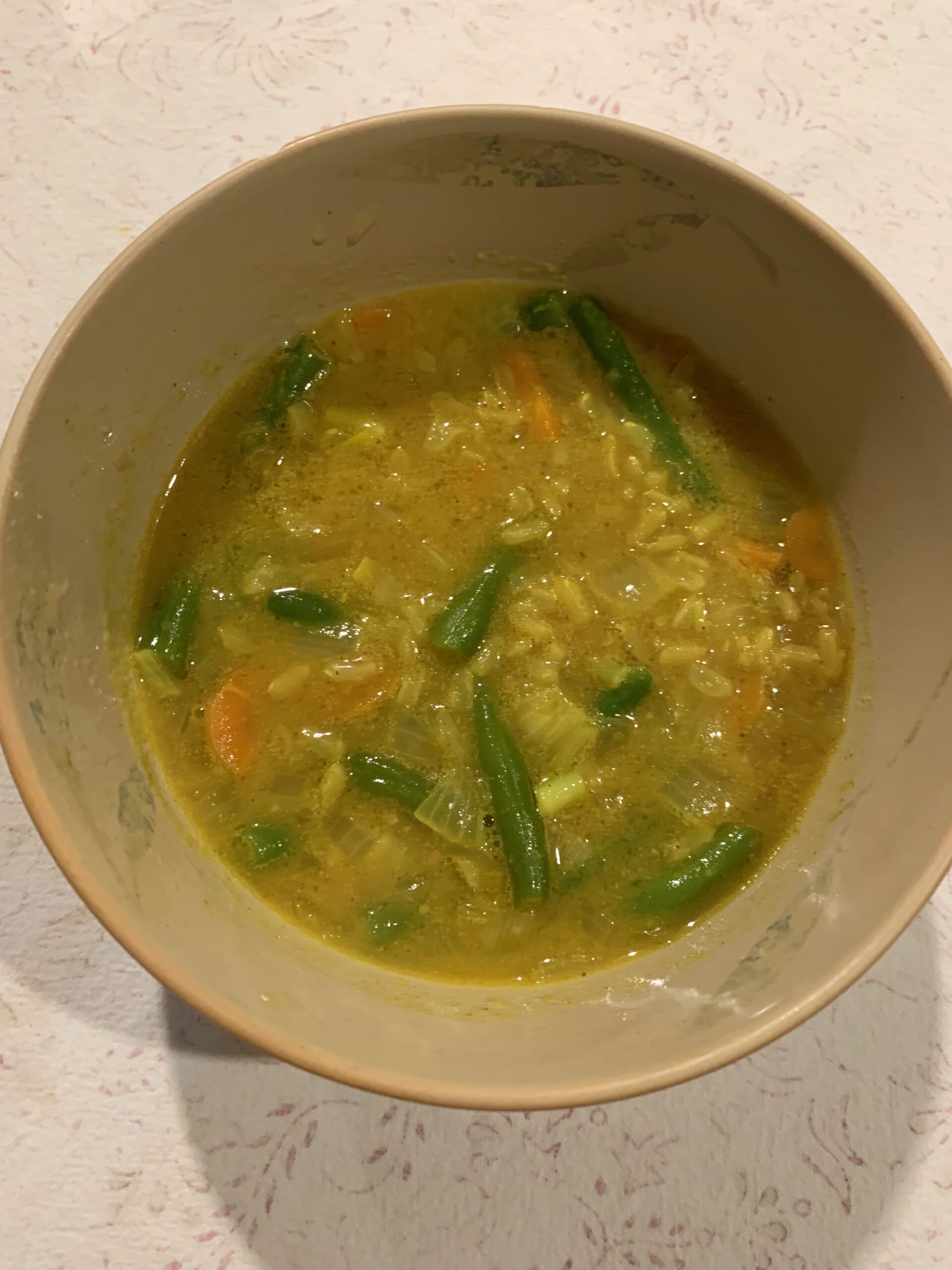
Another secret to good soups besides broths or meat stocks is the use of spices. Turmeric, coriander, and miso give this simple soup full flavor even when you use water instead of broth. I always … [Read More...]

Children suffer injuries that lead to misalignments just as adults do. Children generally respond very well and quickly to gentle chiropractic adjustments. A case in point is that of a 5 year-old … [Read More...]
2302 Colonial Ave, SW, Ste A
Roanoke, VA 24015
(540) 343-6636
Our hours are:
Monday, Wednesday, Friday:
10:00am – 1:00pm and 2:00pm – 6:00pm
Tuesday, Thursday:
7:30am – 11:30am and 12:30pm – 4:00pm
Saturday:
9:00am – 12:00pm